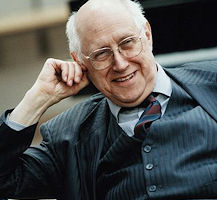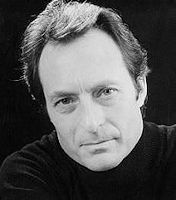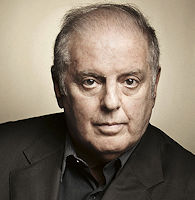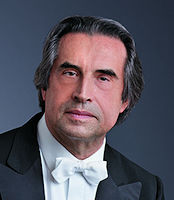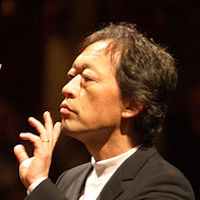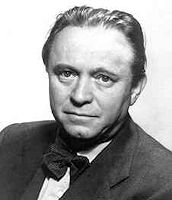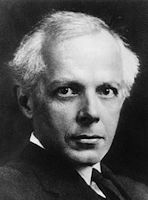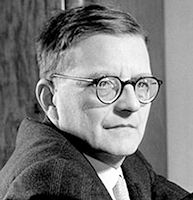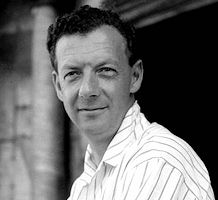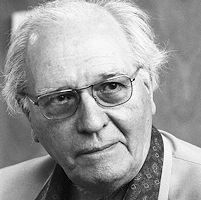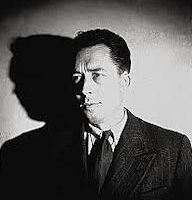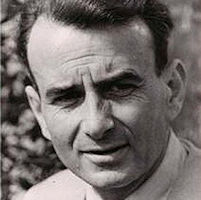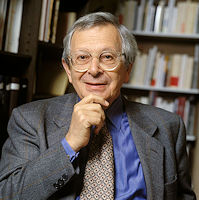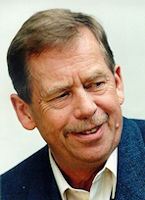
Many prominent artists like musicians Carlo Maria Giulini, Yehudi Menuhin, Mstislav Rostropovich, Daniel Barenboim, Myung-Whun Chung, Riccardo Muti, Adolf Busch, composers Béla Bartók, Dmitri Shostakovich, Benjamin Britten, Olivier Messiaen, painter Vincent van Gogh, writers Albert Camus, Roger Grenier, Vercors (Jean Bruller), Václav Havel and so many others I am afraid I cannot list... have always placed brotherhood, love and art above all other things and above themselves.
Conductor and former viola player Carlo Maria Giulini is quite well known for his immense respect and love of musicians, music and audiences alike. A man of love and peace whose Bach, Mozart, Schubert or Verdi renderings are unique.
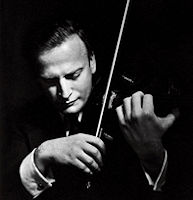
Violonist and conductor Yehudi Menuhin came back to play in Germany just once the WWII was over and spent countless efforts to promote peace everywhere including Israel with the Arab world and the Palestinians.
Pianist and conductor Daniel Barenboim has shared a similar frame of mind and built an orchestra with Israeli, Palestinian and Arab artists. He was also the first to dare play Richard Wagner's music in Israel.
Conductor and pianist Myung-Whun Chung has been devoting an important part of his life to humanitarian and ecological causes. He launched a series of musical and environmental projects in Korea for youth and he has served as Ambassador for the Drug Control Program at the United Nations.
Conductor Riccardo Muti has been associated with the project "Le Vie dell'Amicizia" linked to the Ravenna festival, giving concerts in places whose recent history has been tragic, like Sarajevo, Beirut, Jerusalem, Moscow, Yerevan, Istanbul, New York, Cairo, etc.
Cellist and conductor Mstislav Rostropovich fought for freedom in the USSR: he quit the Moscow Conservatory in protest to the dismissal of Dmitri Shostakovich, then later making his home a shelter to Alexander Solzhenitsyn. He was finally forced into exile. Some 15 years later, the images of "Slava" playing Bach cello suites by the Berlin Wall when the Wall fell were shown on TV throughout the world.
Violonist and conductor Adolf Busch and his family left Germany into exile when Nazis took the power. He and his brothers were considered the greatest German artists of their time, but they had better start from zero all over again in a free country than caution such a regime.
Just like Hungarian composer Béla Bartók who left his country because of its attitude towards the Nazi regime, and even pretended he was a Jew in protest to what was going on. His dream was a world without war nor hate between nations.
Three other composers may not have gone as far as Bartók but nevertheless dedicated an important part of their work to peace and love: Dmitri Shostakovich (listen to his 7th and 8th string quartets), Benjamin Britten (think of his moving War Requiem) and Olivier Messiaen (listen to his extraordinary opera Saint-François d'Assise).
Vincent van Gogh, before turning in the great painter we know, helped the poor in the Borinage mine region. His devotion to the poor and the suffering remained in people's minds of Mons's area years after he had left.
Writer and philosopher Albert Camus fought all his life against any type of totalitarianism, sending back to back fascism and marxism. Far from being only a man of words he joined the french Resistance against the Nazis and was at the head of one of the best newspapers of his time, Combat. A great humanist, he always came to the defense of men, in one of the worst periods of mankind.
Along with Camus, two other prominent writers shared the same fights - in their books as well as in the Resistance : Roger Grenier, who also wrote in Combat, and Jean Bruller, known as Vercors.
Václav Havel was first known to the world as a dramatist, essayist, poet and jailed "dissident" - "We simply went ahead and did certain things that we felt we ought to do, and that seemed to us decent to do, nothing more nor less" - later as president of Czechoslovakia and of the new Czech Republic. Despite tensions between Czechs & Slovaks and the countless hurdles to move to a democracy, he helped transform his country into a modern exemplary state. Fellow countryman novelist Milan Kundera said of Havel's achievements "Václav Havel's most important work is his own life".
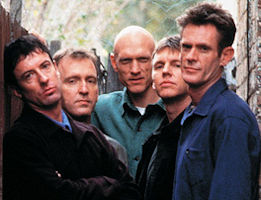
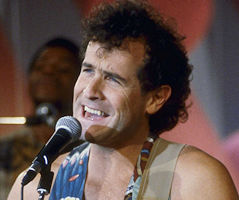
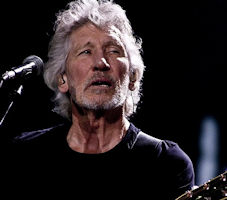
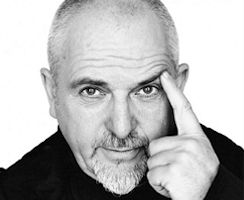
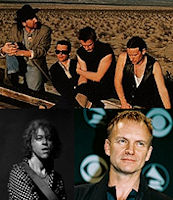
Some popular artists like Peter Gabriel, Johnny Clegg, Bob Geldof, Roger Waters, Midnight Oil, Sting or U2 have often stood up for humanitarian causes and peace. Johnny Clegg fought apartheid in South Africa, Bob Geldof tried to help starving Africans with the famous "Band Aid", Roger Waters songs in and out of Pink Floyd took the defense of children and men against the horrors of war, Midnight Oil denounced the behaviour of Australians towards the Aborigines, U2 met world leaders to promote peace.
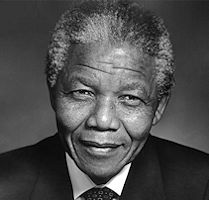
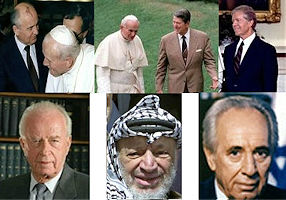
Also some political leaders tried to make the world a better and safer place : USSR President Mikhail Gorbachev and USA President Ronald Reagan who ended the cold war and reduced the number of atomic weapons, or Nelson Mandela who led South Africa to a peaceful change after years spent in jail because of his fight against apartheid, or the efforts of Jimmy Carter, and later Itzhak Rabin, Shimon Peres and Yasser Arafat to promote peace in the middle East and in Israel. Many of them were far from perfect, but they chose the path to peace.
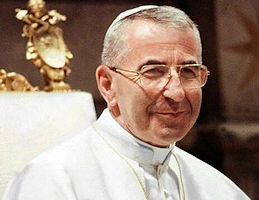
I would also like to mention Pope John Paul I - Albino Luciani : his death 33 days after his election as Pope makes his kind smile even more unforgettable.
Albino Luciani was born 17 October 1912 in Forno di Canale - now Canale d'Agordo - in Northern Italy in a poor family, thing he never forgot. He was ordained priest of his birthplace parish in 1935 and was soon assigned to teach theology in the Belluno seminary, of which he was made vice-rector.
In 1958 he was consecrated Bishop and in 1969 named Patriarch of Venice. In 1973 he was created Cardinal and later published a book made of letters written to famous persons or fiction characters. From his origins and his life he brought a new style, direct and simple, totally different from church "bureaucrats". He was elected Pope to the world surprise 26 August 1978, choosing a double name in tribute to his predecessors and their different qualities. He died of a heart attack 28 September of the same year.
Photo © L'Osservatore Romano